
Hire purchase for business equipment
Spread the cost of equipment, machinery or vehicles while working towards ownership.
Have a supplier quote? Include the equipment price and preferred deposit.
Spread the cost of equipment over a fixed term, and own it outright at the end.
How business hire purchase works
Use the equipment while paying for it over an agreed term.
- Ownership
- Transfers after the final payment and any option to purchase fee.
- Upfront cost
- Any agreed deposit plus VAT. VAT deferral may be available, subject to lender approval.
- Payments
- An agreed schedule based on the asset, deposit and term.
Costs and conditions
Deposit and VATVAT is normally due upfront. Deferral may be available.
We’ll confirm any deposit and whether the lender can defer the VAT payment. Deferral can reduce the gap between paying VAT and reclaiming it, if your business is eligible.
Your VAT return and repayment arrangements affect the timing. Confirm the position with your accountant.
Ownership and taxOwnership transfers once the agreement is paid in full.
The lender holds legal title until the final payment and any option to purchase fee are paid.
Capital allowances may be available on qualifying assets. Tax treatment depends on your business and agreement, so confirm it with your accountant.
How to apply
Send the quote
Share the equipment price, supplier and any delivery or installation costs.
Review the terms
We’ll confirm the deposit, payments, VAT timing and any fees.
Sign and arrange delivery
After approval, sign the documents and agree delivery with your supplier.
What you’ll need
- Supplier quote, including delivery or installation.
- Business details and trading history.
- Preferred deposit and term.
The lender may request further information.
Automated approval is available for eligible applications through Capra Connect, subject to credit criteria and lender requirements. How decisions work
Hire purchase vs leasing
See the difference between hire purchase and leasing across ownership, upfront cost, VAT and replacing the equipment. Read the full hire purchase vs leasing guide.
| Comparison | Hire purchase | Finance lease | Buying outright |
|---|---|---|---|
| Who owns it at the end | You, after the final payment and any option fee | The lender. End-of-term options depend on the agreement. | You |
| Upfront cost | Usually VAT, plus any agreed deposit. VAT deferral may be available. | Usually an initial rental on delivery, subject to funder and supplier requirements. | Full price plus VAT |
| VAT | Normally upfront. Deferral may be available. | Spread across rentals | Payable upfront |
| Changing the equipment | Settle the existing agreement before selling or replacing it | Subject to the lender’s upgrade or settlement terms | Sell or replace it when you choose |
| Best suited to | Long life assets you will keep | Using equipment through agreed rentals | Businesses with surplus cash |
Equipment you can finance
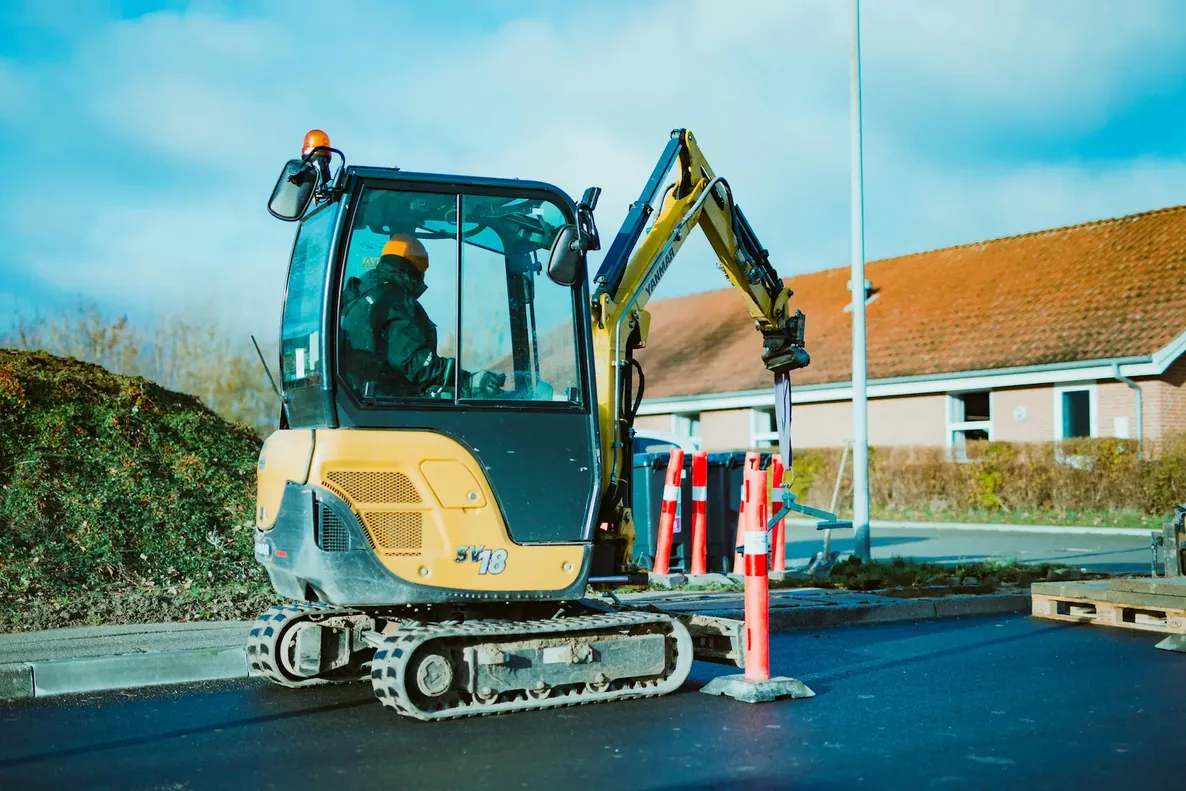
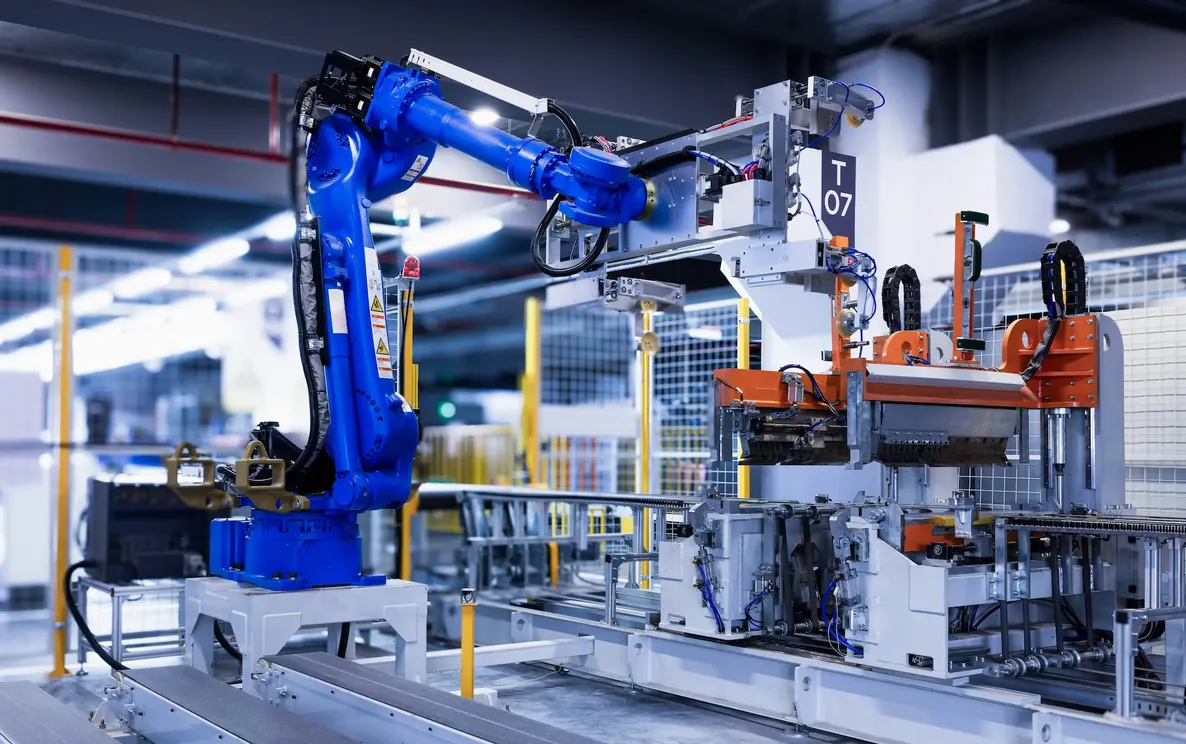
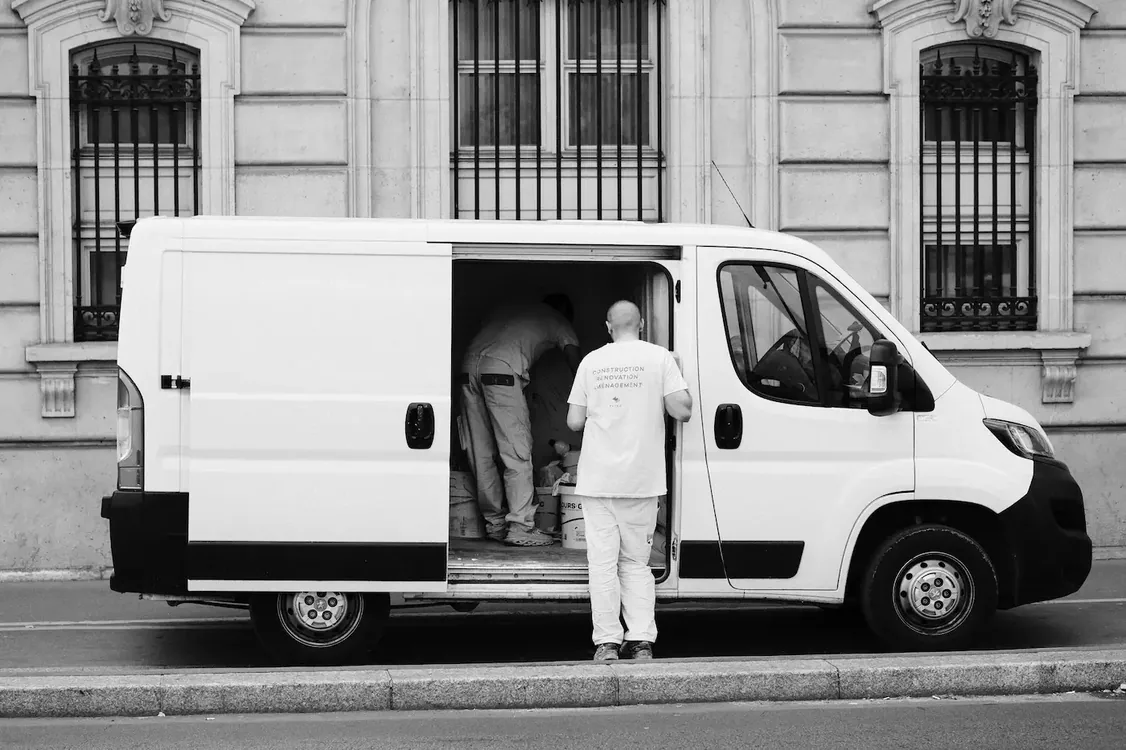
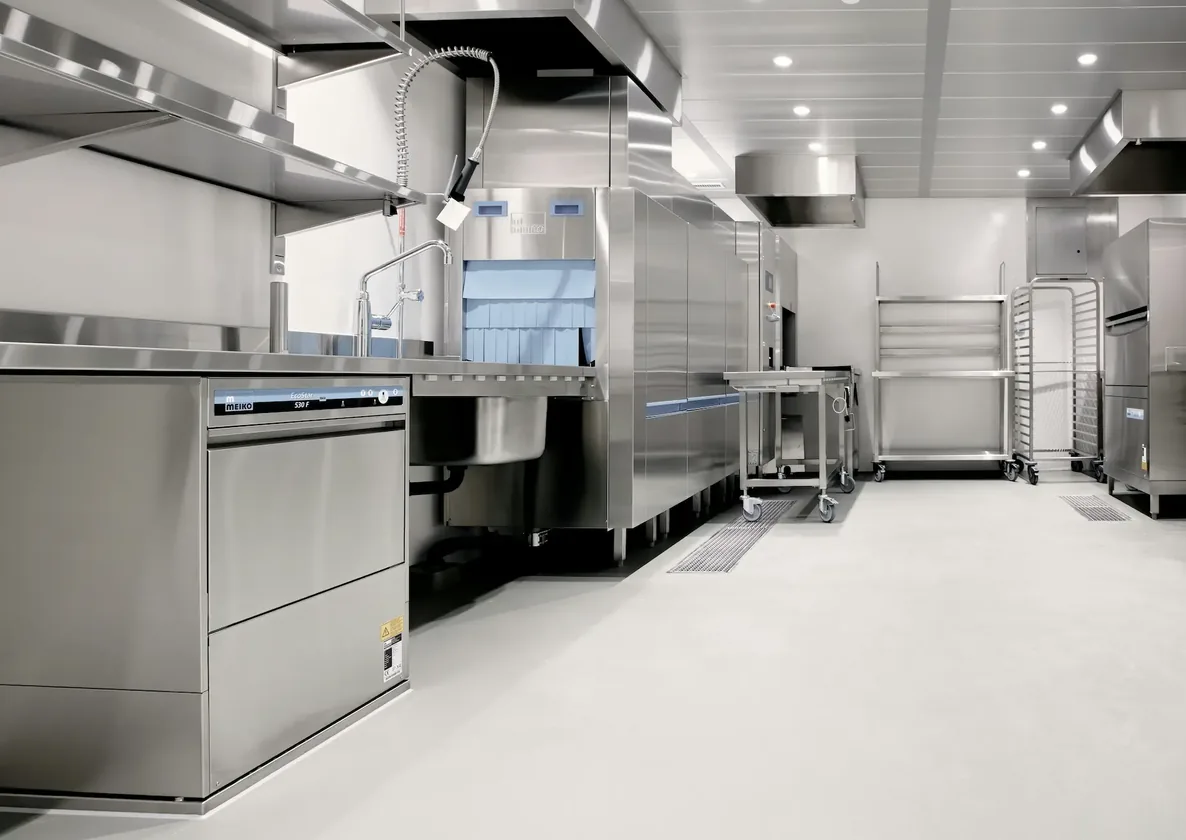
Hire purchase can fund machinery or vehicles you plan to keep. Explore construction equipment finance or commercial vehicle finance. For older assets, read our guides to financing used construction equipment and financing a used commercial vehicle.


Business hire purchase FAQs
Do I own the equipment during the agreement?
You can use the equipment during the agreement. Legal ownership transfers from the lender after the final payment and any option to purchase fee.
What do I need to pay upfront?
VAT is normally due upfront, plus any agreed deposit. VAT deferral may be available, subject to lender approval. We’ll confirm the amount and timing before you proceed. VAT recovery depends on your eligibility.
Can I settle the agreement early?
Usually, subject to the lender’s settlement terms and any charges. Ask for a settlement figure before deciding.
Is hire purchase available to new businesses?
New businesses can apply. Lenders may require a deposit, director guarantee and business plan where trading history is limited.
Can I finance used or refurbished equipment?
Often, yes. Lenders assess the supplier, age, condition and remaining working life of the equipment.
What happens if I want to sell the asset mid term?
You must settle the agreement and obtain legal ownership before selling. If you are upgrading, we can discuss settlement and finance for the replacement.
What is the difference between hire purchase and leasing?
Hire purchase provides a route to ownership after the final payment and any option fee. Leasing gives you use of the equipment, with end-of-term options set by the agreement. Compare the table or read our hire purchase vs leasing guide.
Will applying affect my credit score?
An initial conversation will not. If a formal lender search is needed we explain the route first and only proceed with your agreement.
How long does it take?
Timing depends on the asset, your business and the information needed. We’ll explain the likely timescale once we have your details.
What does the option to purchase fee cover?
It is the fee paid at the end to transfer legal ownership to you. The amount is set out in your agreement.
Discuss hire purchase
Share your supplier quote and preferred deposit. We’ll explain the repayments, VAT timing and steps towards ownership.