
Vehicle lifts
Two-post, four-post, scissor and mobile column lifts, plus eligible accessories and installation.
Garages, MOT centres and workshops
Spread the cost of vehicle lifts, MOT bays, diagnostics, tyre equipment and complete workshop upgrades while keeping cash available for the day-to-day business.
The short answer
Garage equipment finance can help an established workshop, MOT centre or new garage fund identifiable equipment over an agreed term. The lender will assess the business, supplier, equipment and affordability before making a decision.
Equipment we can discuss
Durable equipment with a clear description, price and supplier is usually easier for a lender to assess. A complete package should be broken down line by line.
Two-post, four-post, scissor and mobile column lifts, plus eligible accessories and installation.
Test lanes, brake testers, emissions equipment, headlamp testers and connected systems.
Tyre changers, wheel balancers, wheel alignment equipment and related workshop tools.
Diagnostic platforms, ADAS calibration equipment and specialist electronic testing systems.
Compressors, exhaust extraction, battery support and workshop power equipment.
Tool storage, benches, inspection equipment and multiple assets on one itemised schedule.
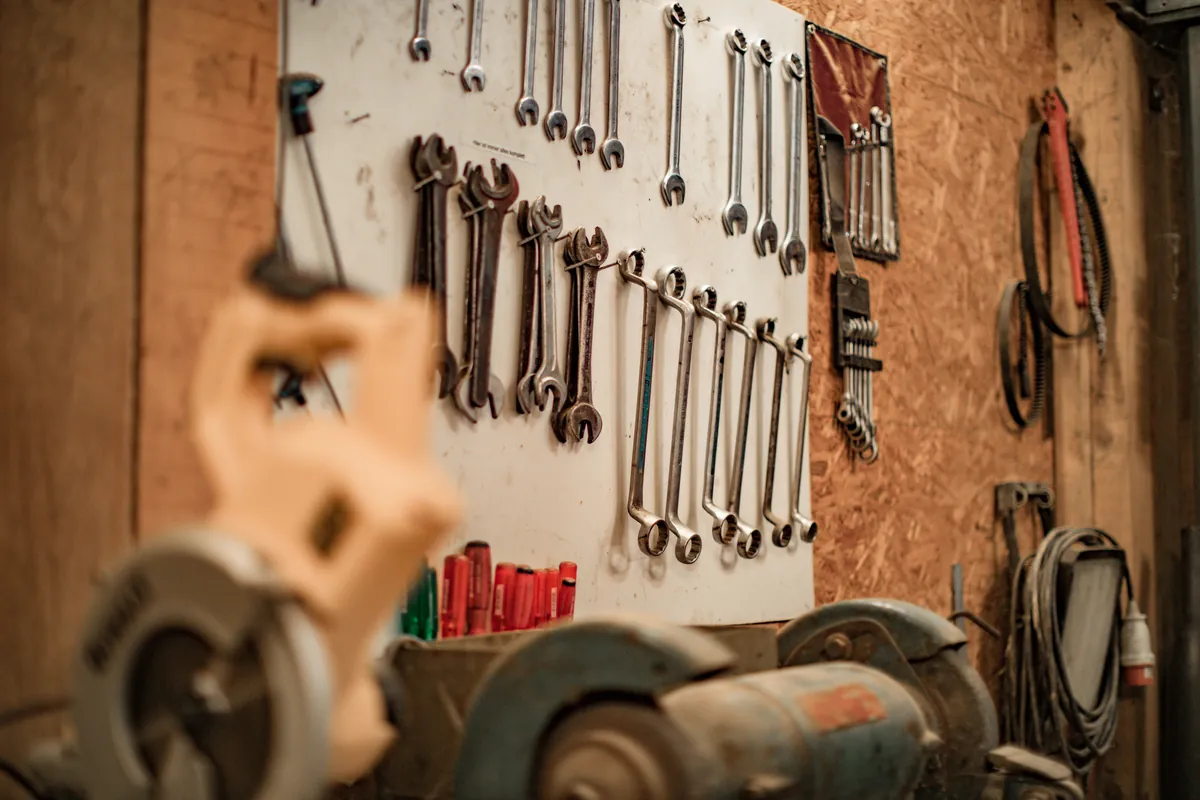
Complete workshop upgrades
A fit-out quote often mixes long-life equipment with installation, software, services and building work. Separating those costs gives the lender a clearer view of the assets being financed.
MOT bays and specialist systems
An MOT bay can involve test equipment, civil works, calibration, connectivity and regulatory approval. Finance approval for the equipment does not replace any DVSA authorisation or technical certification your site requires.
Ask the supplier to identify which costs relate directly to durable equipment. Eligibility varies by lender.
Prepare the application
Include the equipment specification, supplier, price, delivery date and installation plan.
Describe whether the project replaces equipment, adds capacity, opens a new site or introduces a new service.
Accounts, management information and bank statements help the lender assess affordability and trading performance.
Compare the deposit, payments, fees, security, ownership position and end-of-term conditions before signing.
Common questions
Eligible assets can include vehicle lifts, MOT test lanes, brake testers, diagnostic systems, tyre changers, wheel balancers, alignment equipment, compressors and workshop furniture, subject to lender assessment.
Potentially. A clearly itemised supplier schedule helps the lender separate durable equipment from installation, software, building works and other project costs that may need different treatment.
Potentially. Lenders assess the supplier, equipment age, condition, value, service history and remaining working life before deciding whether used or refurbished equipment is suitable.
Hire purchase can suit garages that want to own the equipment, while leasing can suit businesses that prefer regular rentals and different end-of-term options. The right route depends on cash flow, tax treatment and the ownership plan.
Yes, subject to lender criteria. A new business may need a stronger deposit, director guarantee, business plan, relevant experience and evidence that the proposed payments are affordable.
The required deposit depends on the lender, the equipment, the amount financed and the strength of the garage business. Start-ups, specialist installations or used equipment may require a larger contribution. Compare the deposit, VAT, fees, regular payments and any final payment together.
Garage equipment finance is commonly structured over two to seven years, depending on the asset's age, expected working life and the lender's criteria. The term for a vehicle lift or MOT lane may differ from the term available for diagnostics or smaller workshop equipment.
VAT treatment depends on the agreement. With hire purchase, VAT is generally charged on the equipment at the outset, while leasing normally applies VAT to each rental. Whether VAT can be included in the funding varies, so confirm the cash requirement and obtain tax advice before proceeding.
You can explore finance and obtain indicative terms while planning the site, but do not commit to alterations or equipment until DVSA has given approval in principle. The equipment and premises must suit the vehicle classes you intend to test, and the finance agreement does not replace DVSA authorisation.
Send the itemised supplier quote and tell us whether you are replacing equipment, upgrading the workshop or opening a new site. We’ll explain the available routes.