
CNC and machine tools
Lathes, mills, machining centres, laser cutters and precision engineering equipment.
Manufacturing and machinery
Fund production machinery, automation and complete equipment packages without using all of the cash your business needs for materials, people and growth.
The short answer
Manufacturing equipment leasing and finance can spread the cost of new or used machinery through hire purchase, equipment leasing or asset refinance. The lender will assess your business, the supplier, the asset and whether the proposed term is sensible for its expected working life.
Equipment we can discuss
Durable, identifiable equipment used by the business is normally the clearest starting point. The final decision remains subject to the lender, supplier and full application.
Lathes, mills, machining centres, laser cutters and precision engineering equipment.
Press brakes, cutting systems, welding equipment, extraction and metalworking machinery.
Industrial robots, cobots, conveyors, controls and automated handling systems.
Filling, labelling, wrapping, packing and food or beverage production machinery.
Industrial printers, 3D printers, finishing equipment and specialist production technology.
Multiple linked assets supported by a clear supplier schedule, specification and installation plan.

New, used and refurbished
A lower purchase price can make used machinery attractive, but the lender needs enough information to understand the asset and its remaining useful life.
Build a finance-ready schedule
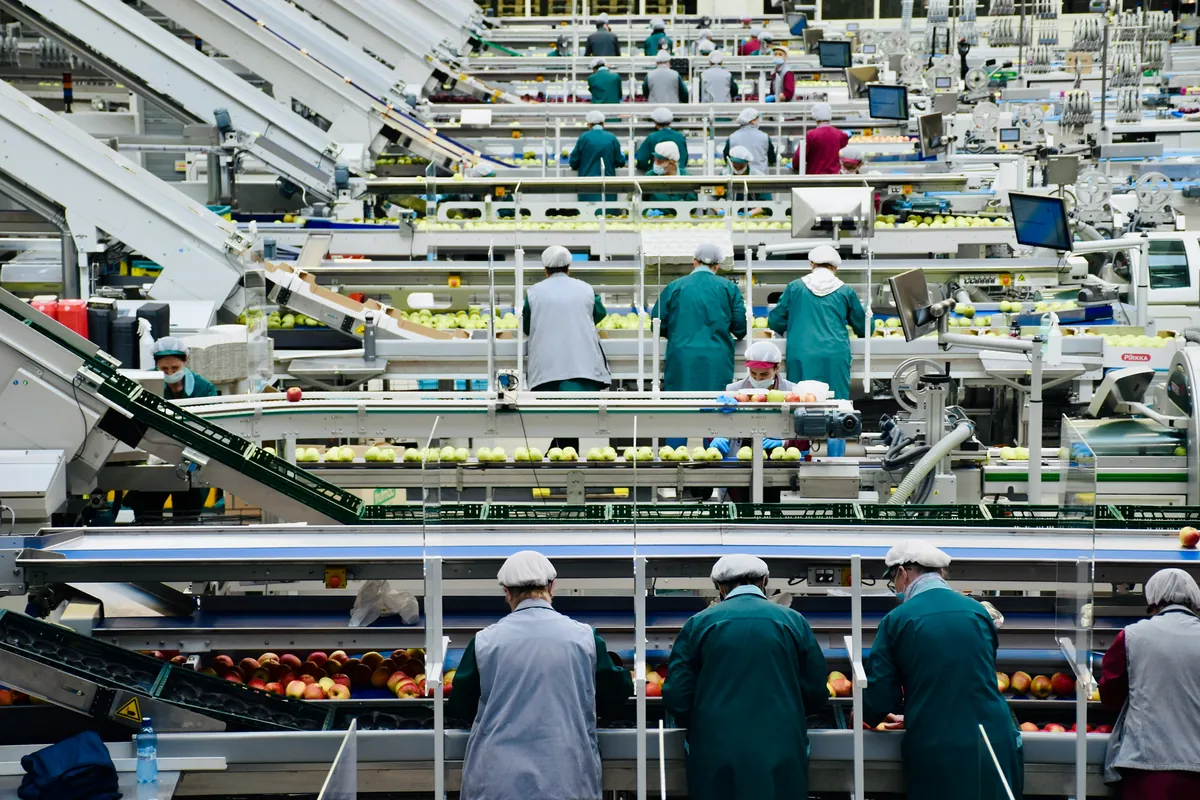
A production project can include far more than the main asset. Ask the supplier to itemise every component so the lender can decide what may be included.
Eligibility varies by lender. An itemised schedule does not guarantee every cost can be financed.
Prepare the application
Include the specification, supplier, price, delivery date and every related project cost.
Show whether the purchase replaces capacity, removes a bottleneck, improves margin or supports a new order.
Accounts, management information and bank statements help the lender assess affordability and trading performance.
Review the deposit, payments, fees, security, ownership position and end-of-term conditions before signing.
Common questions
Eligible assets can include CNC machines, fabrication equipment, robotics, production lines, packaging systems, food processing machinery and 3D printers, subject to lender assessment.
Potentially. Lenders assess the machine's age, condition, supplier, value, service history and remaining working life before deciding whether it is suitable.
Some directly related costs may be considered when they are clearly itemised, but eligibility varies by lender. Building works, consumables and ongoing service costs may need separate treatment.
Hire purchase can suit a business that wants to own the machinery, while manufacturing equipment leasing can suit businesses that prefer regular rentals and different end-of-term options. The right route depends on the asset, cash flow and ownership plan.
Expect to provide an itemised supplier quote, equipment specification, delivery and installation details, business accounts or management information, bank statements and an explanation of how the machinery will be used.
Deposit requirements depend on the lender, the machinery, the amount financed and the strength of the business. Specialist or used equipment and newer businesses may require a larger contribution. Compare the deposit, any VAT due, fees, regular payments and final payment together.
Manufacturing equipment finance is commonly structured over two to seven years, but the available term depends on the machine's age, expected working life and the lender's criteria. The term should reflect how long the equipment will remain productive for the business.
VAT treatment depends on the agreement. With hire purchase, VAT is generally charged on the equipment at the outset, while leasing normally applies VAT to each rental. Whether VAT can be included in the funding varies, so confirm the cash requirement and obtain tax advice before proceeding.
Potentially. Provide separate, itemised quotes and a delivery schedule for every supplier. The lender will decide whether the assets can sit under one facility or need separate agreements, especially when installation dates or asset types differ.
Send the supplier quote, equipment specification and target installation date. We’ll explain the finance routes available for your business.